Introduction
ASME B16.9 – Factory-Made Wrought Butt-Welding Fittings
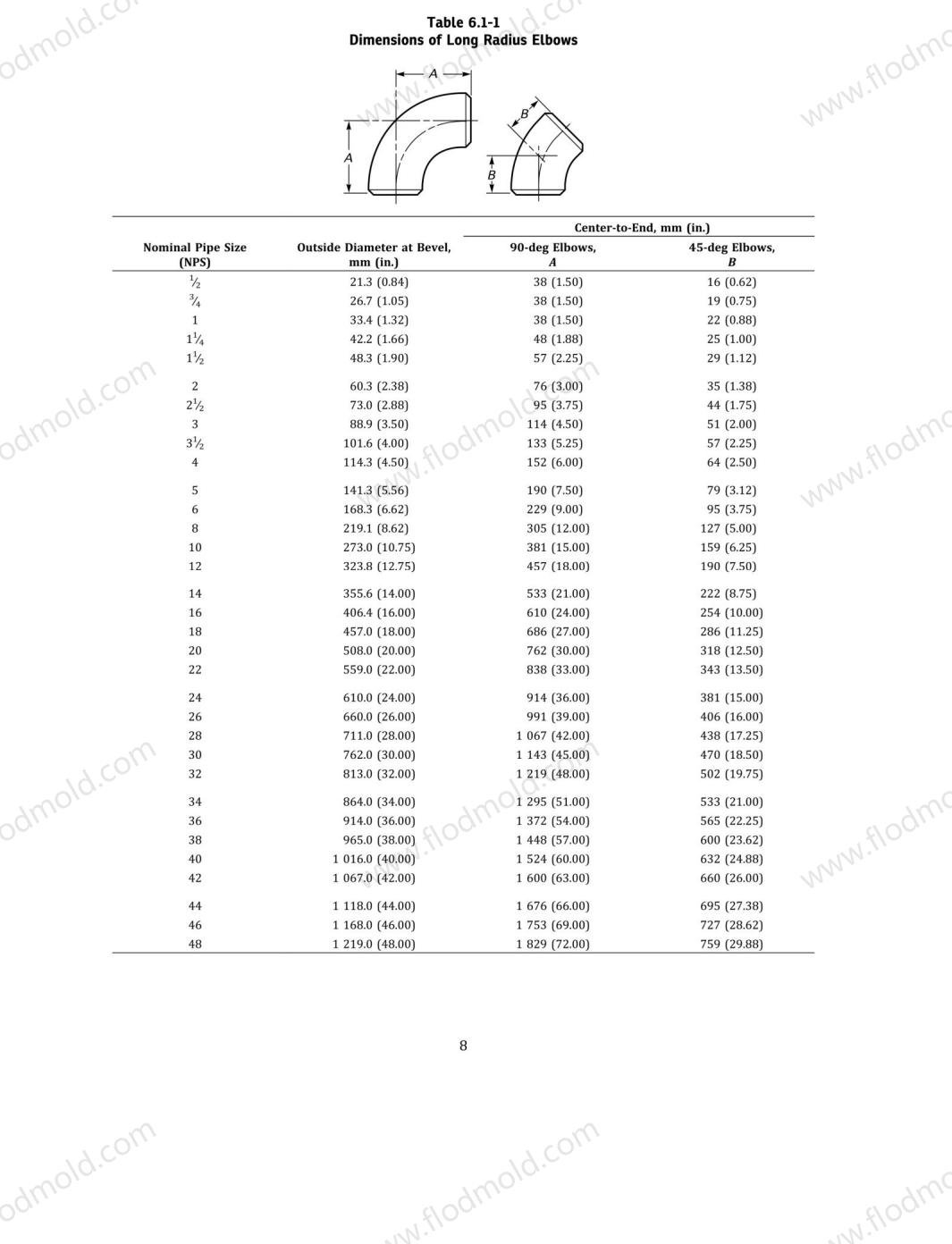
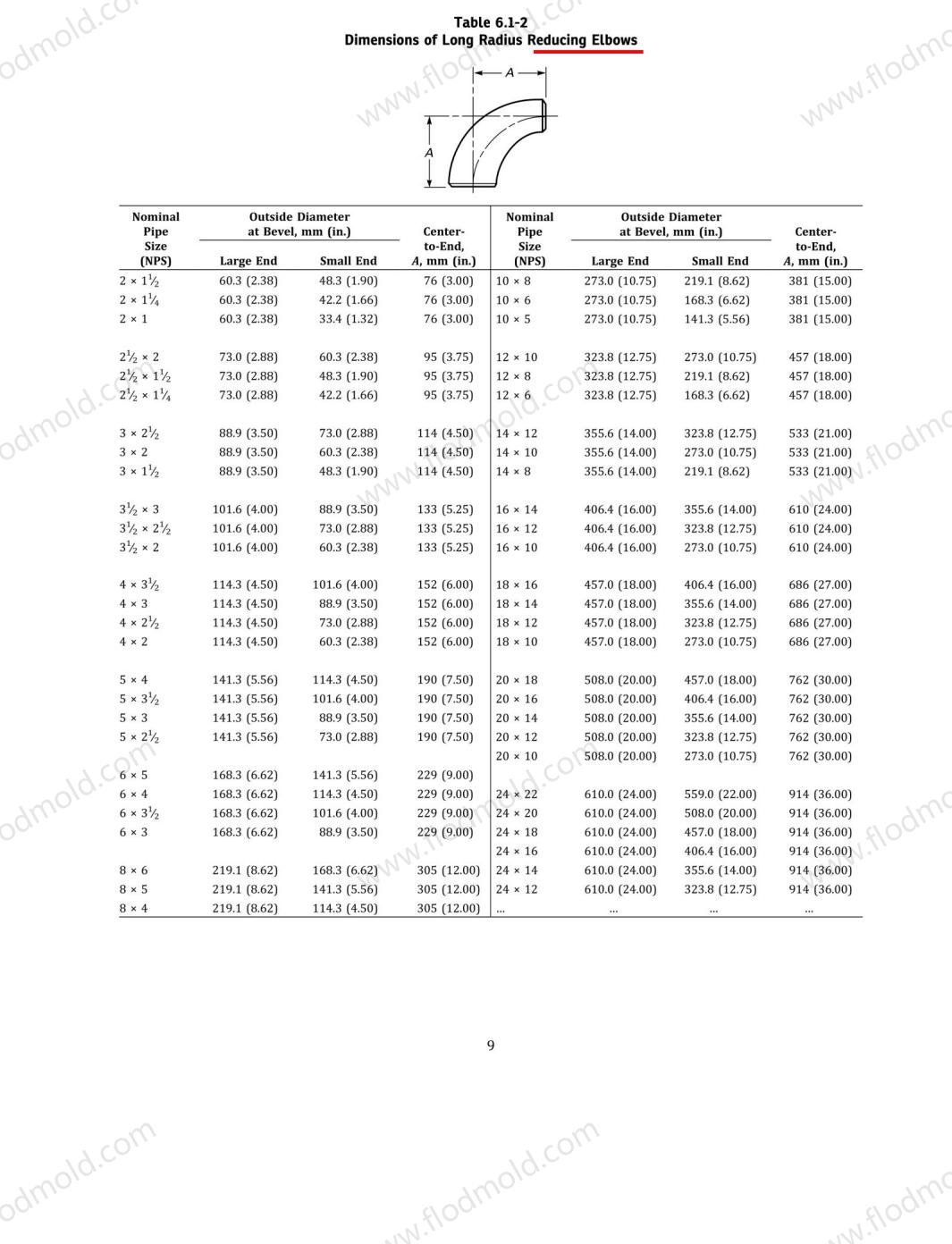
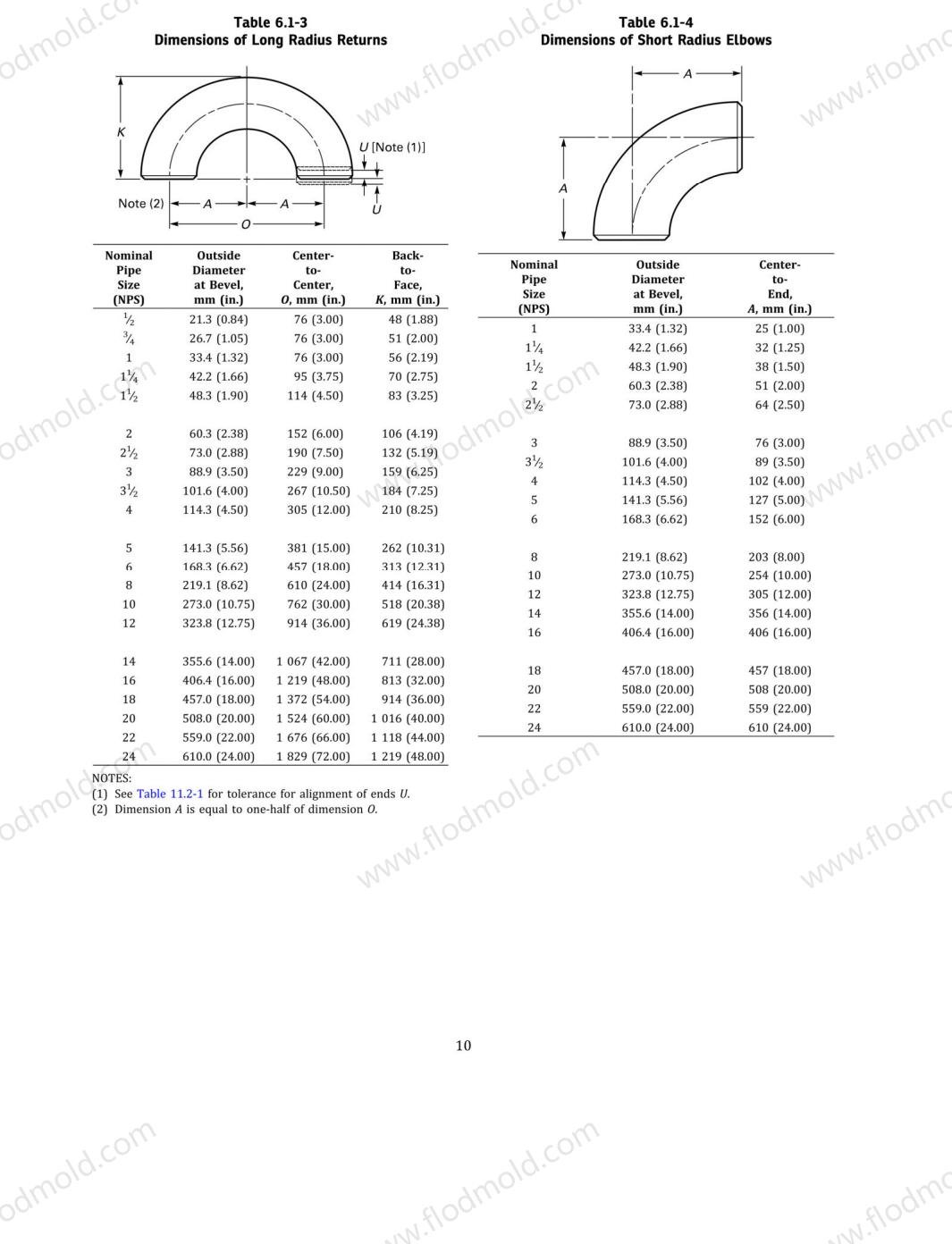
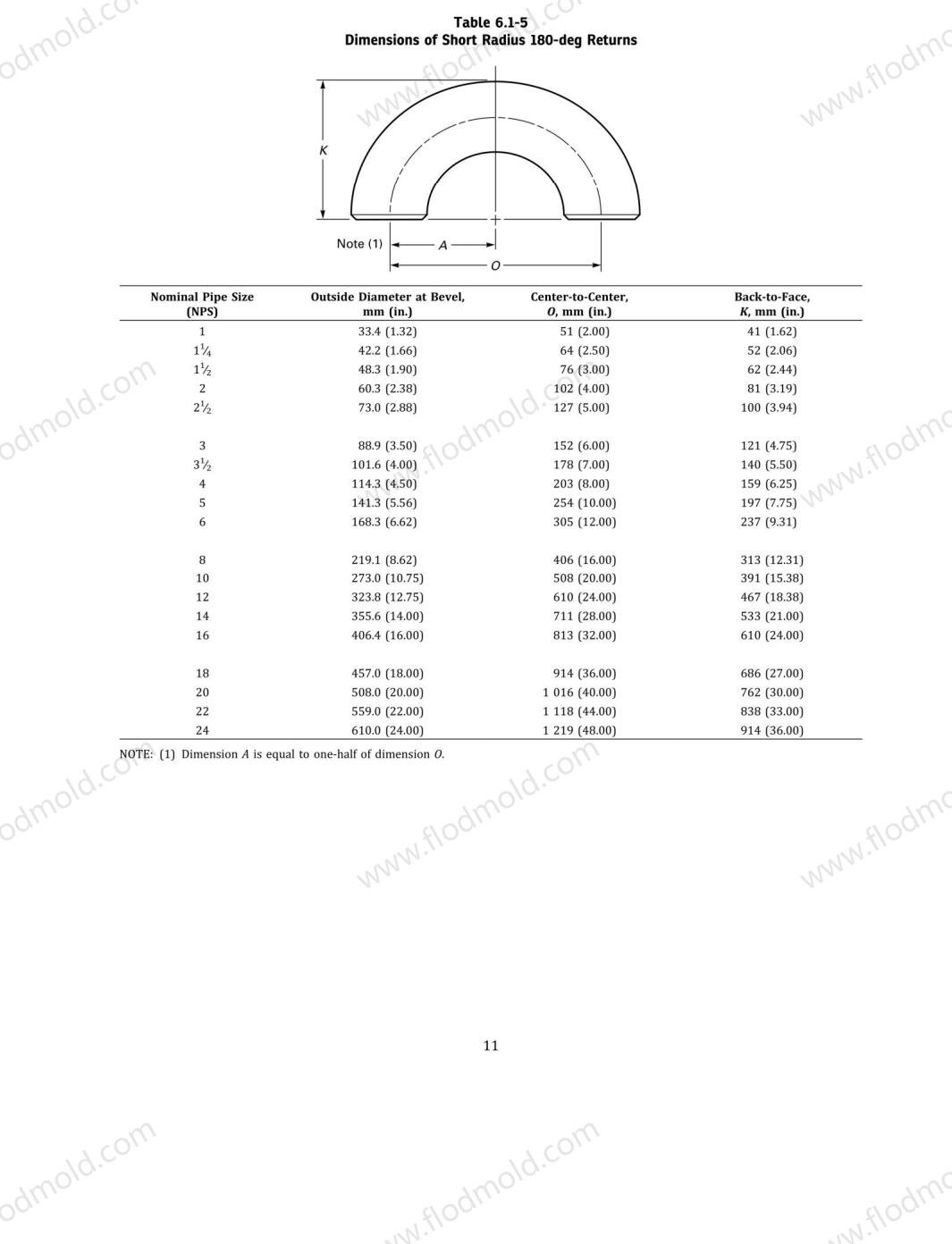
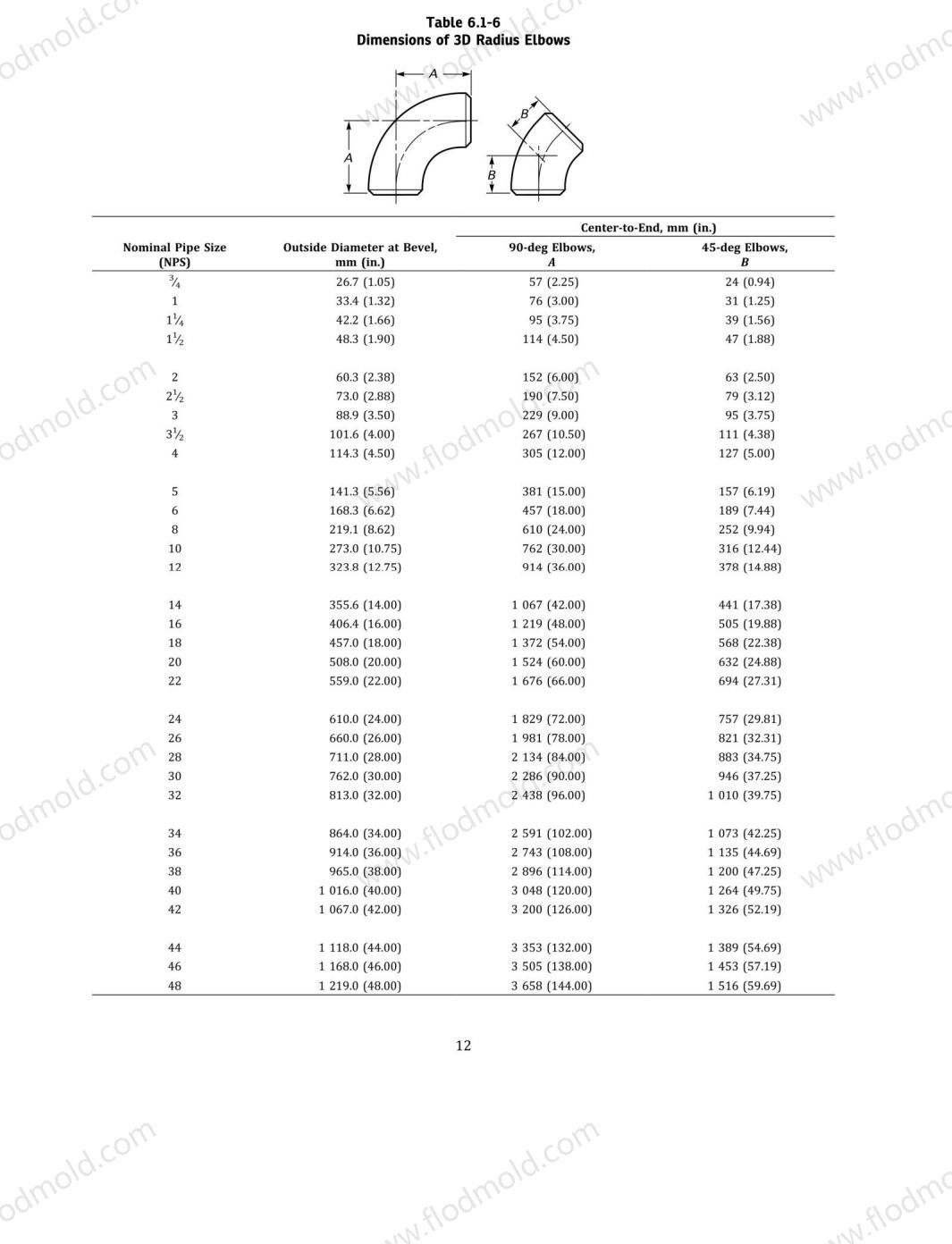
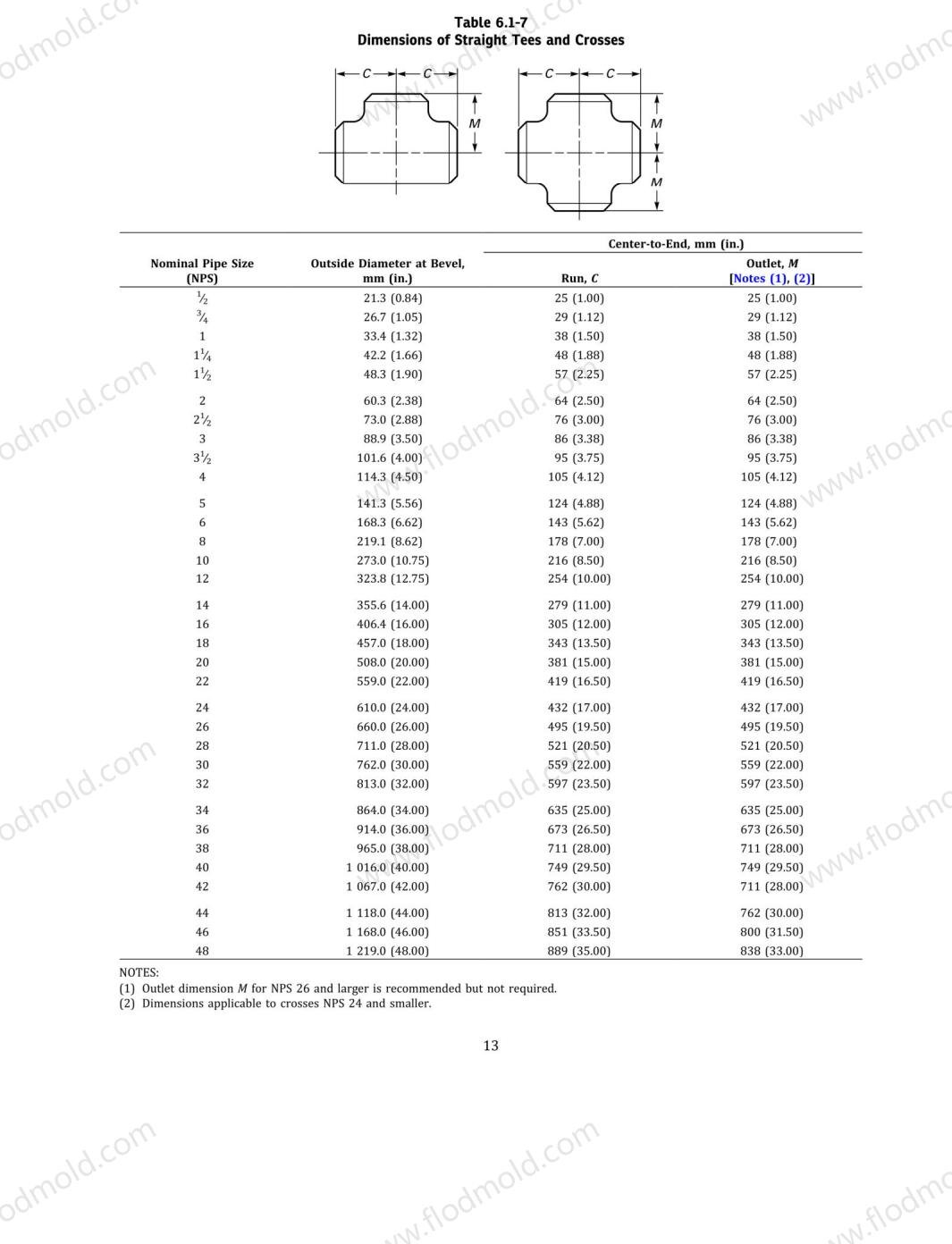
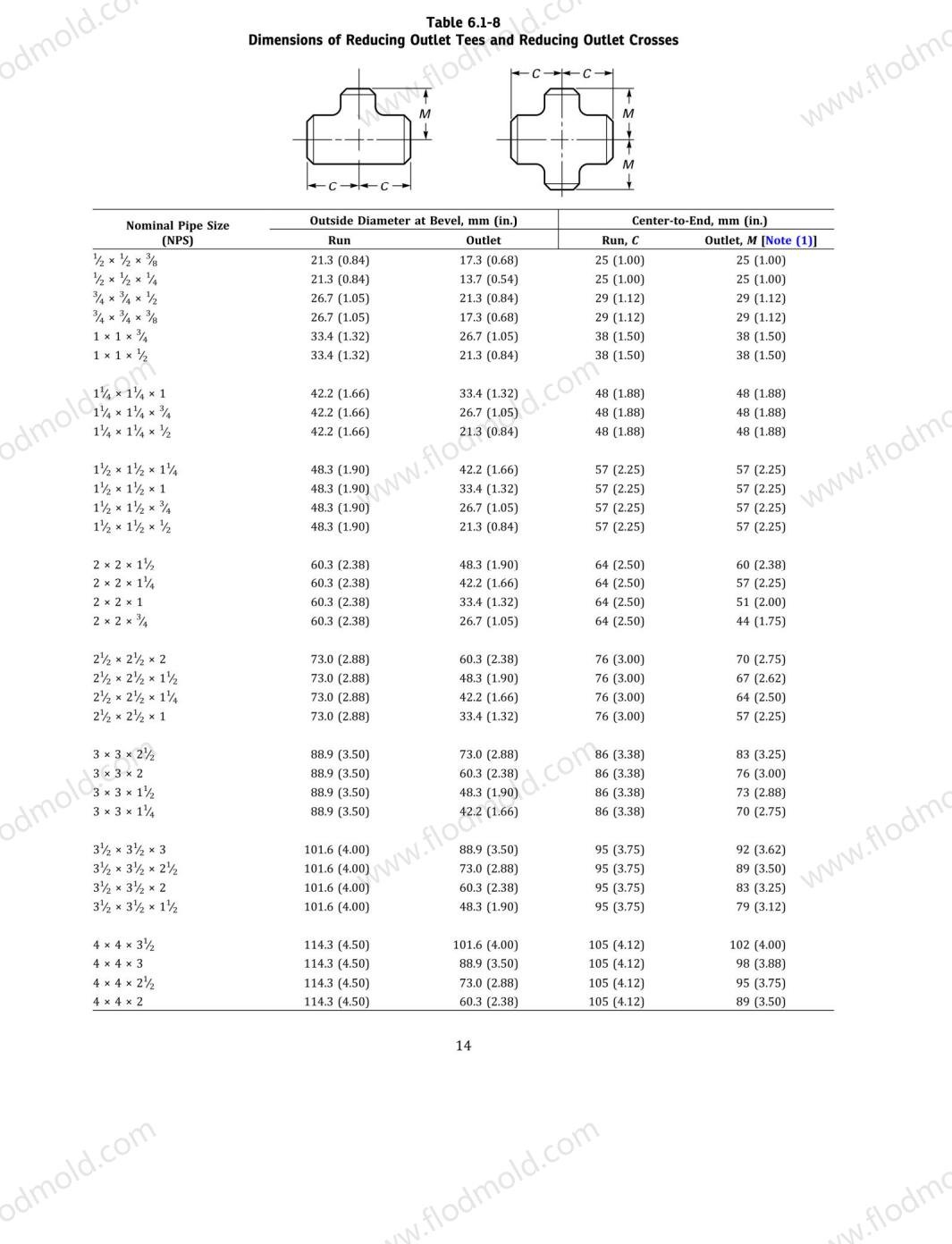
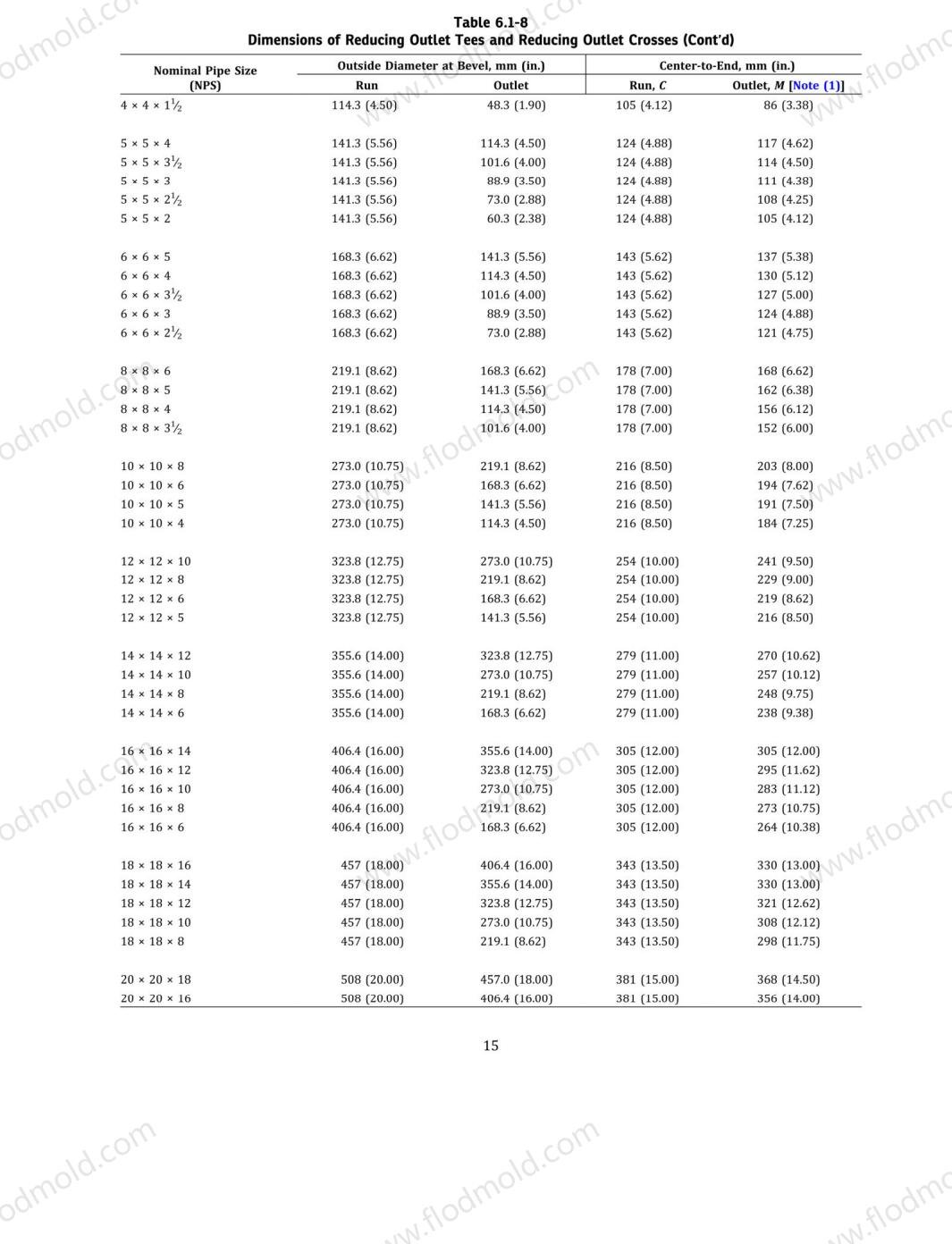
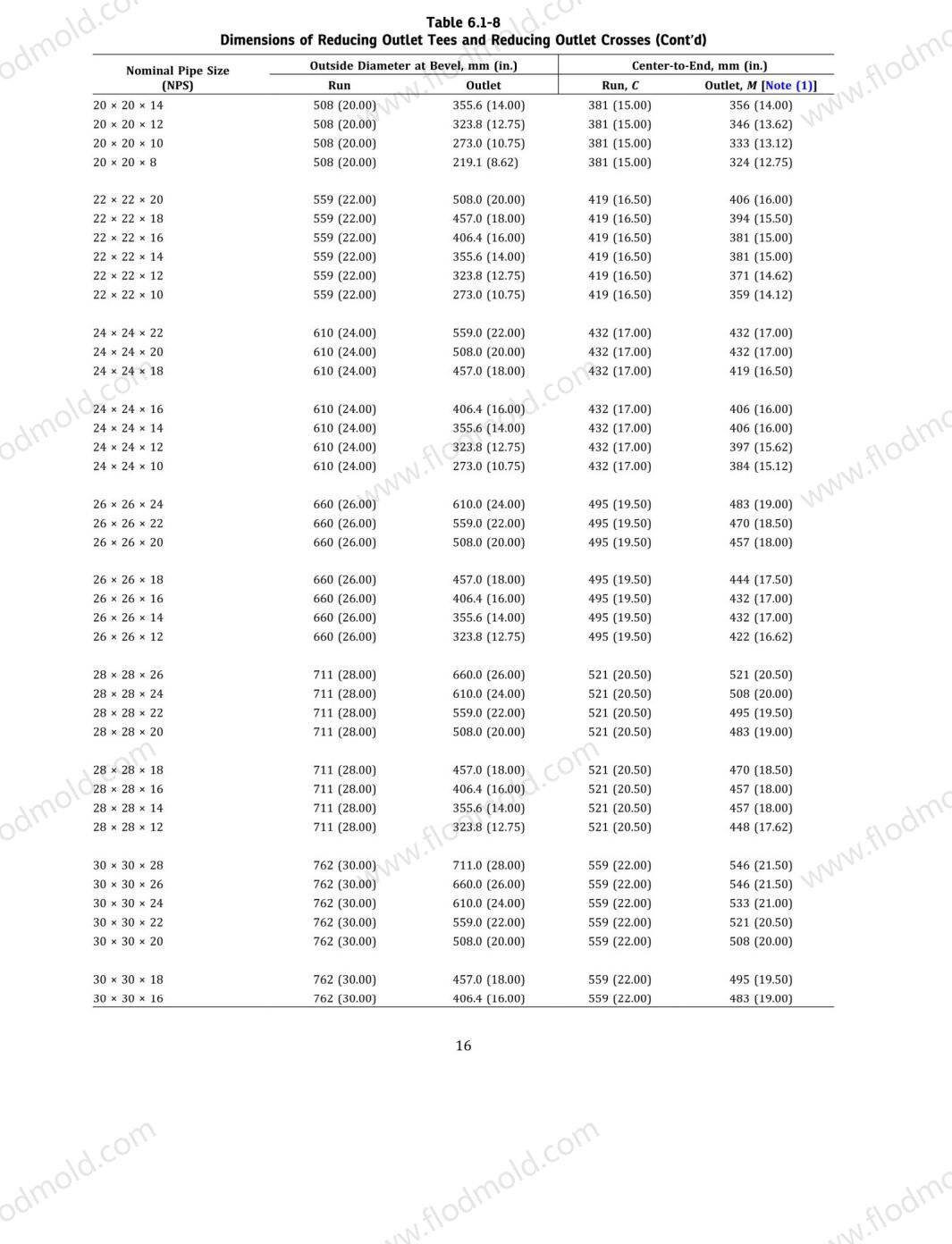
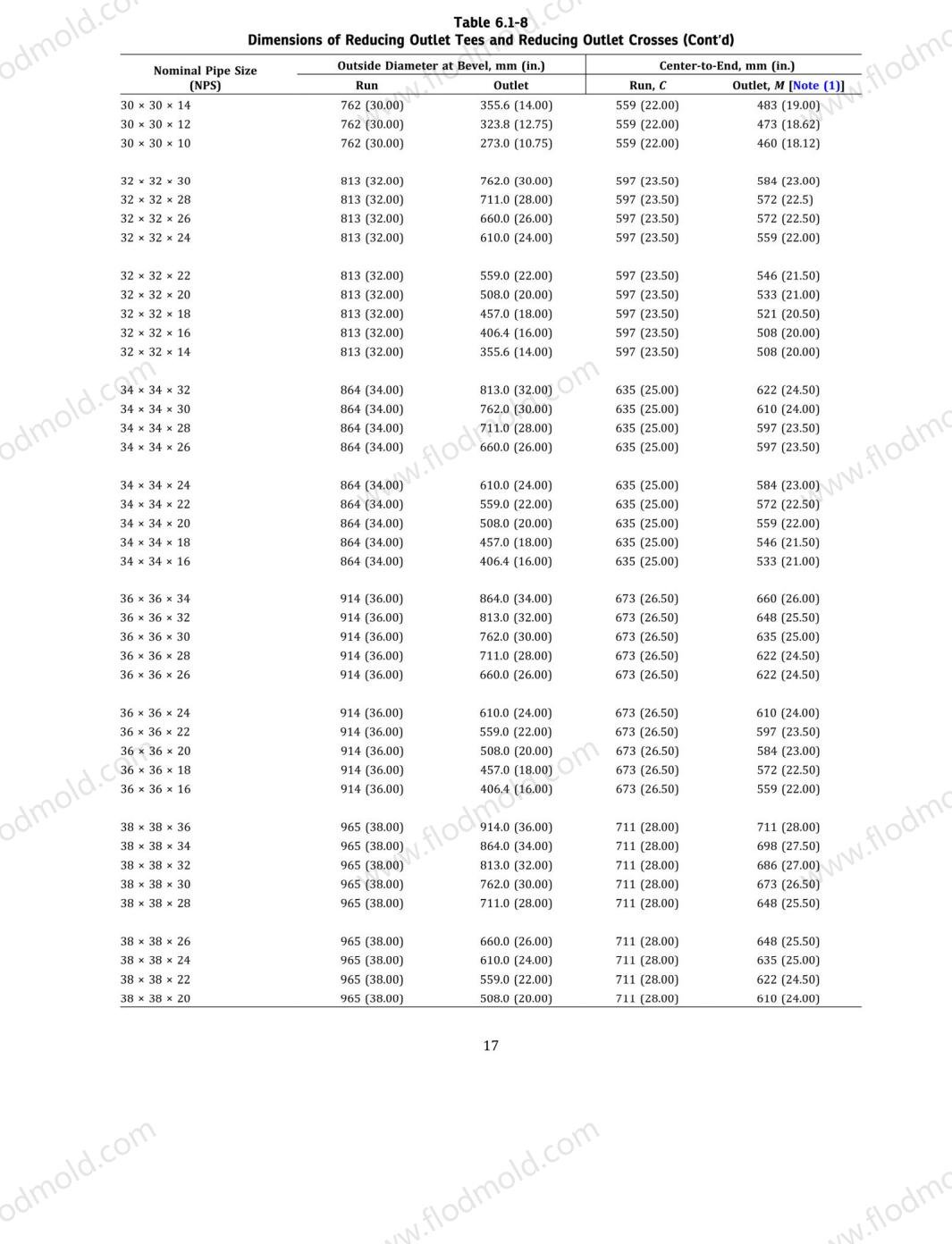
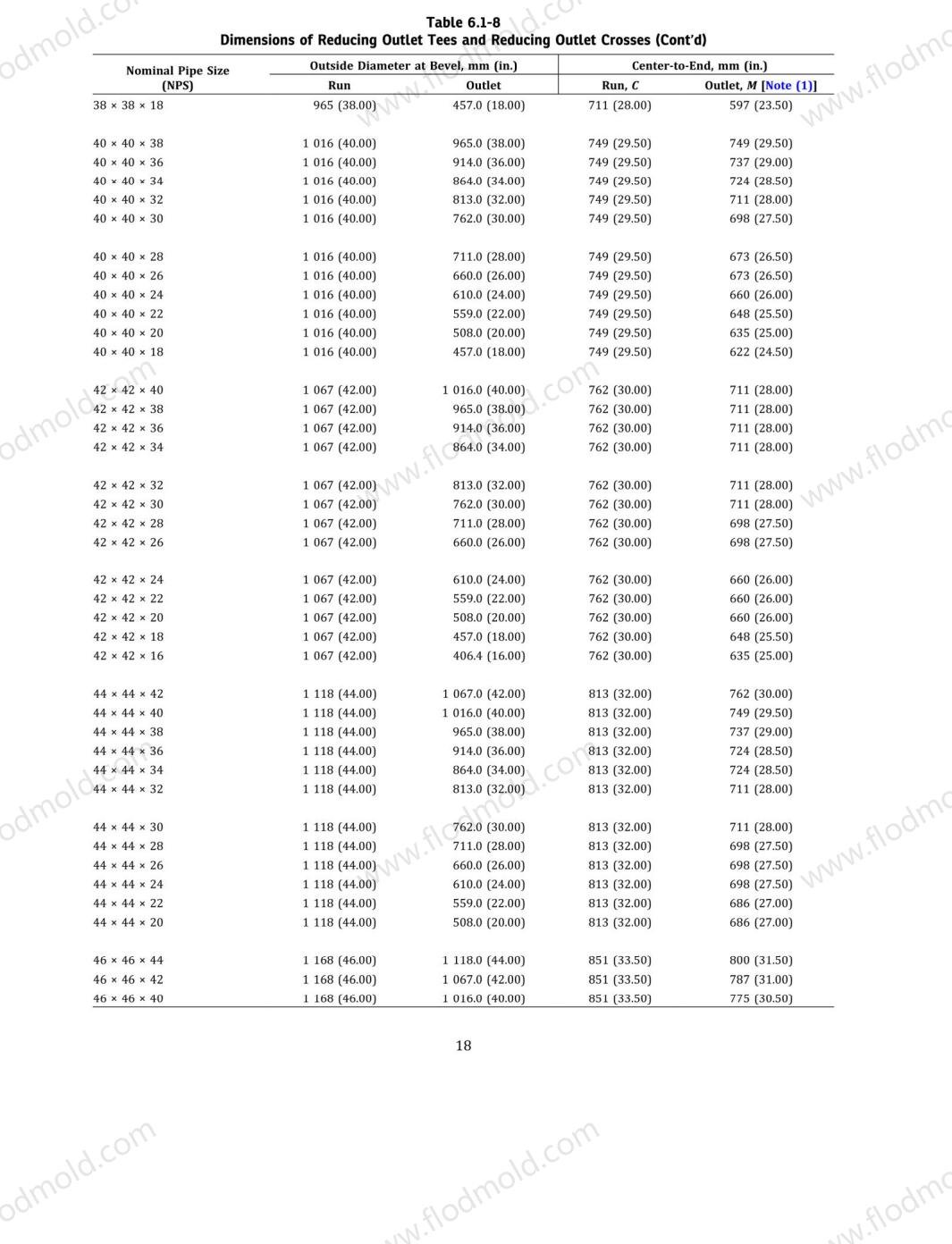
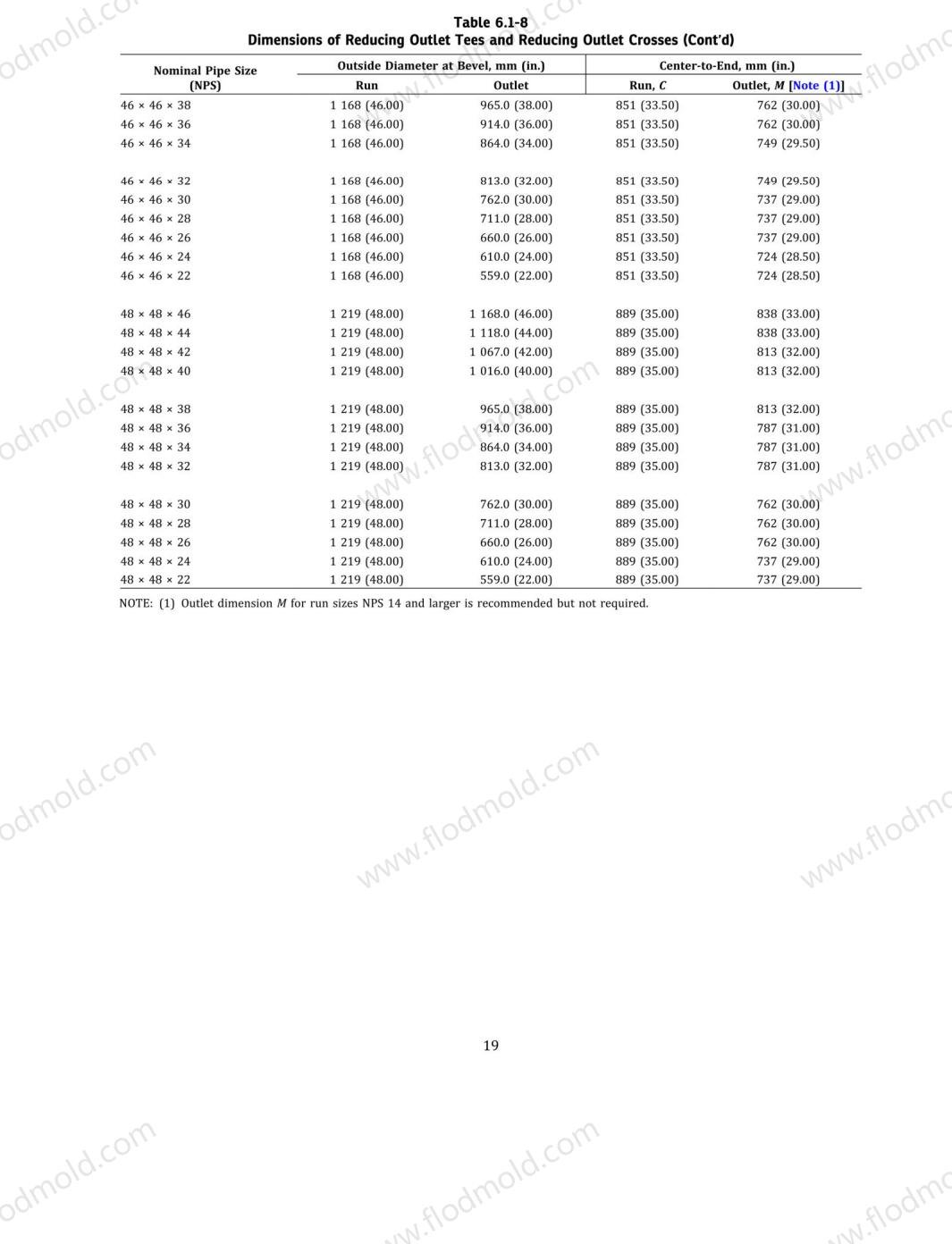
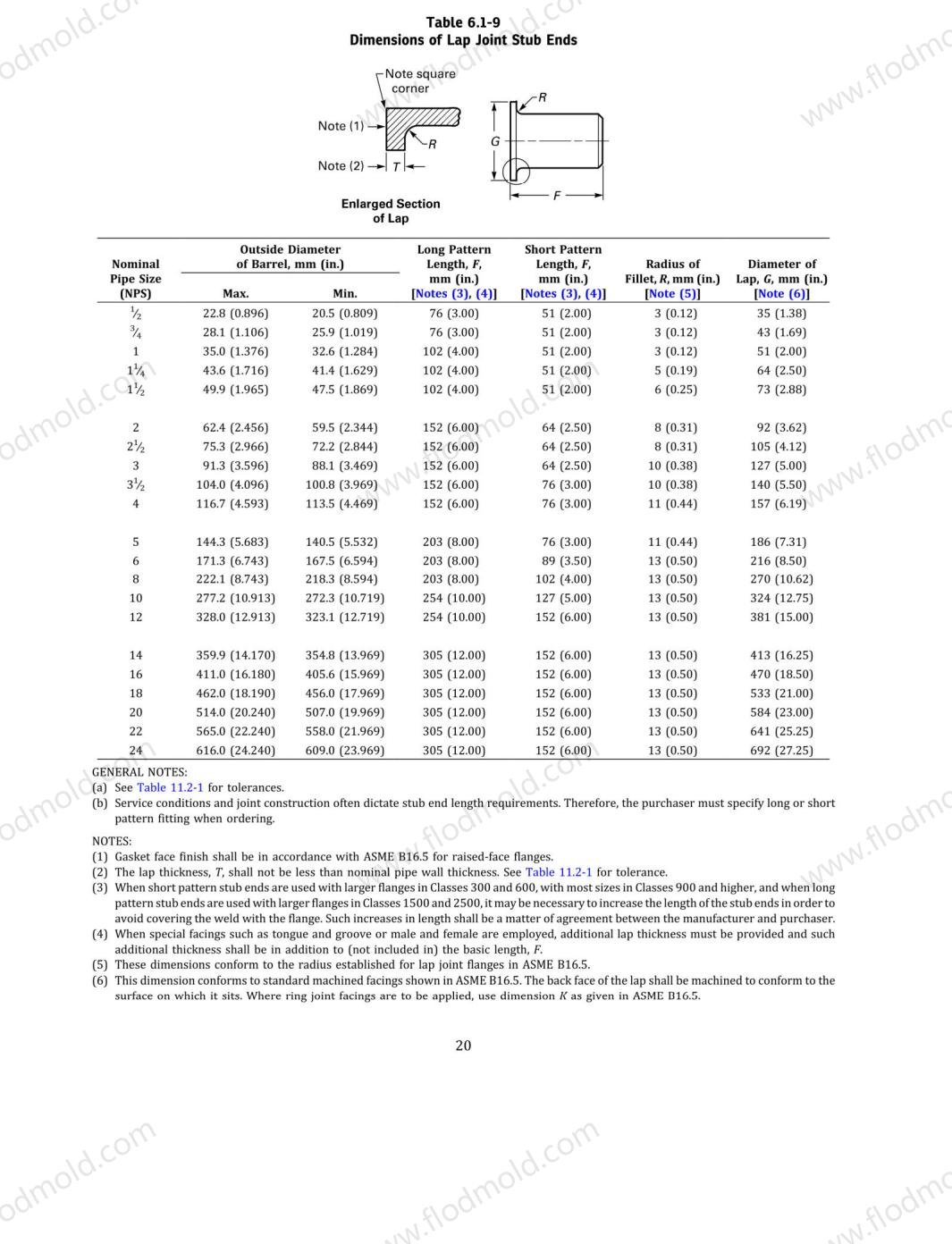
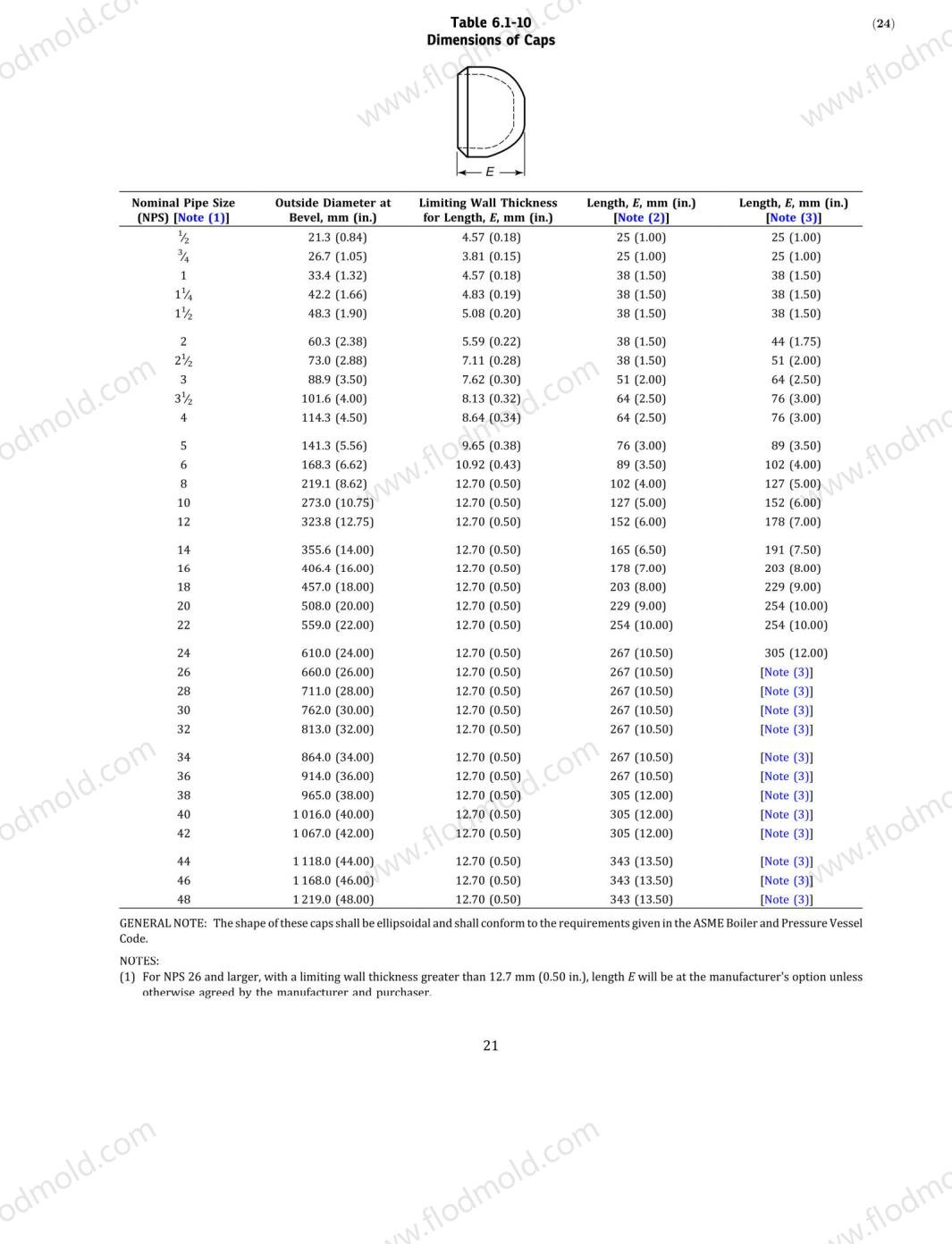
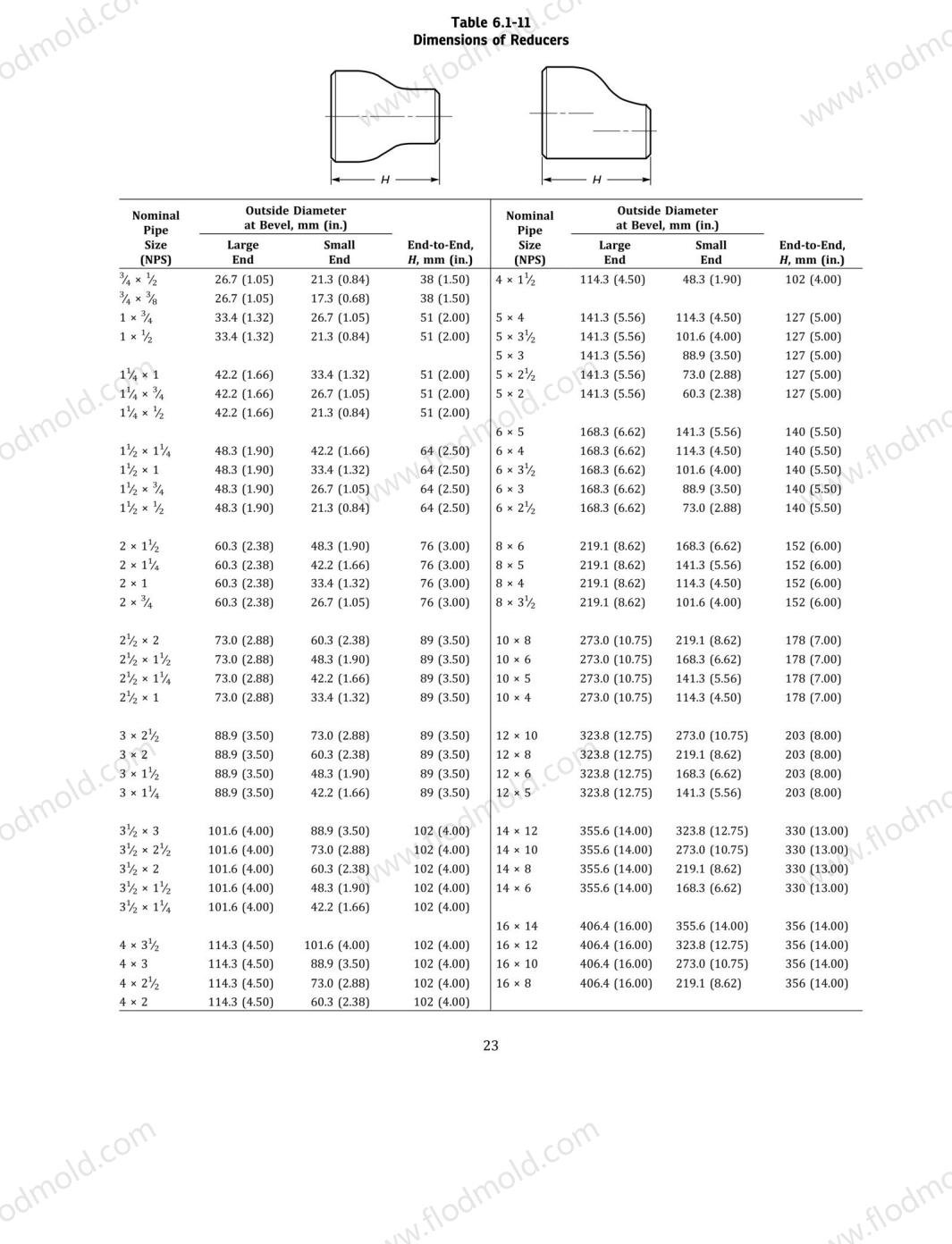
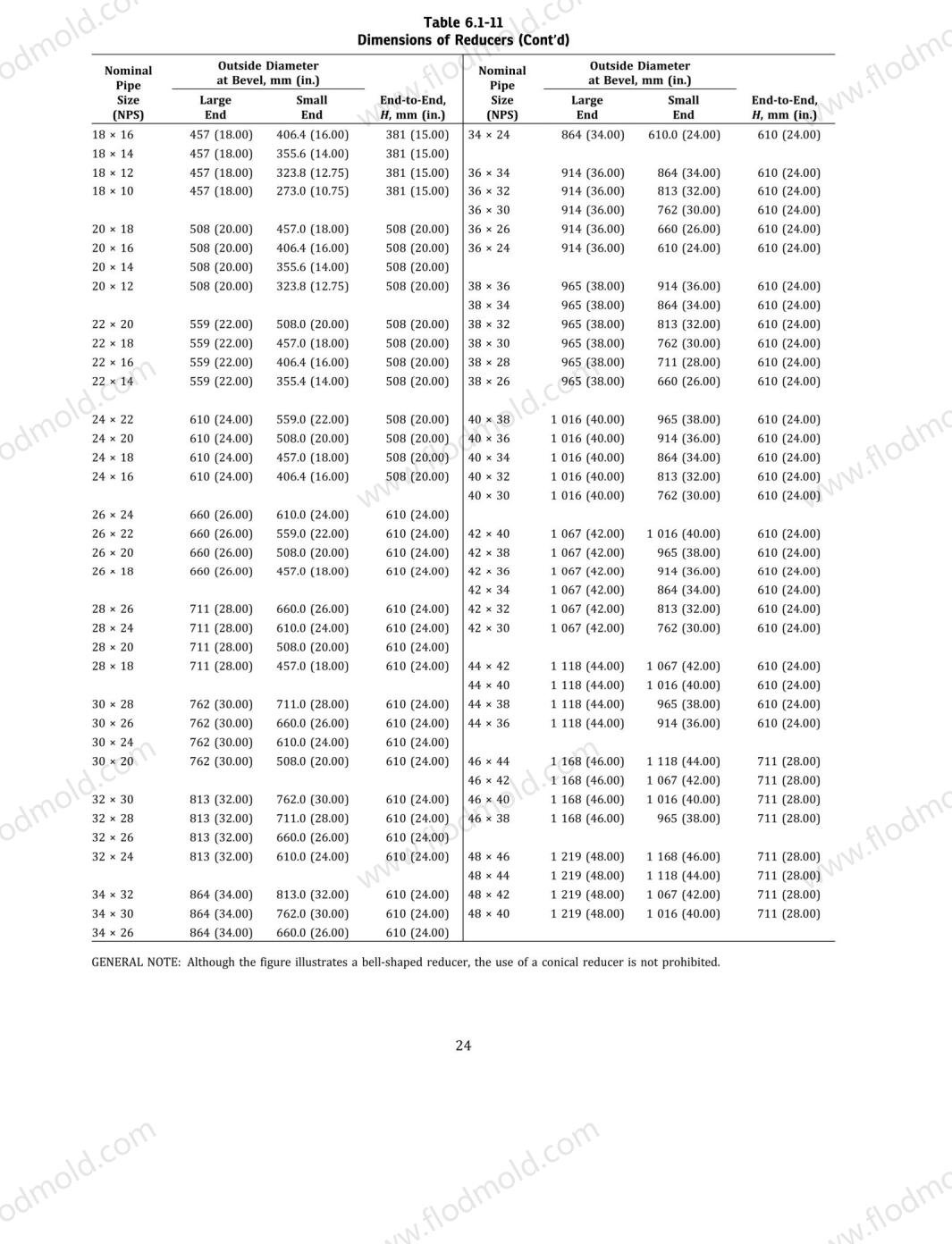
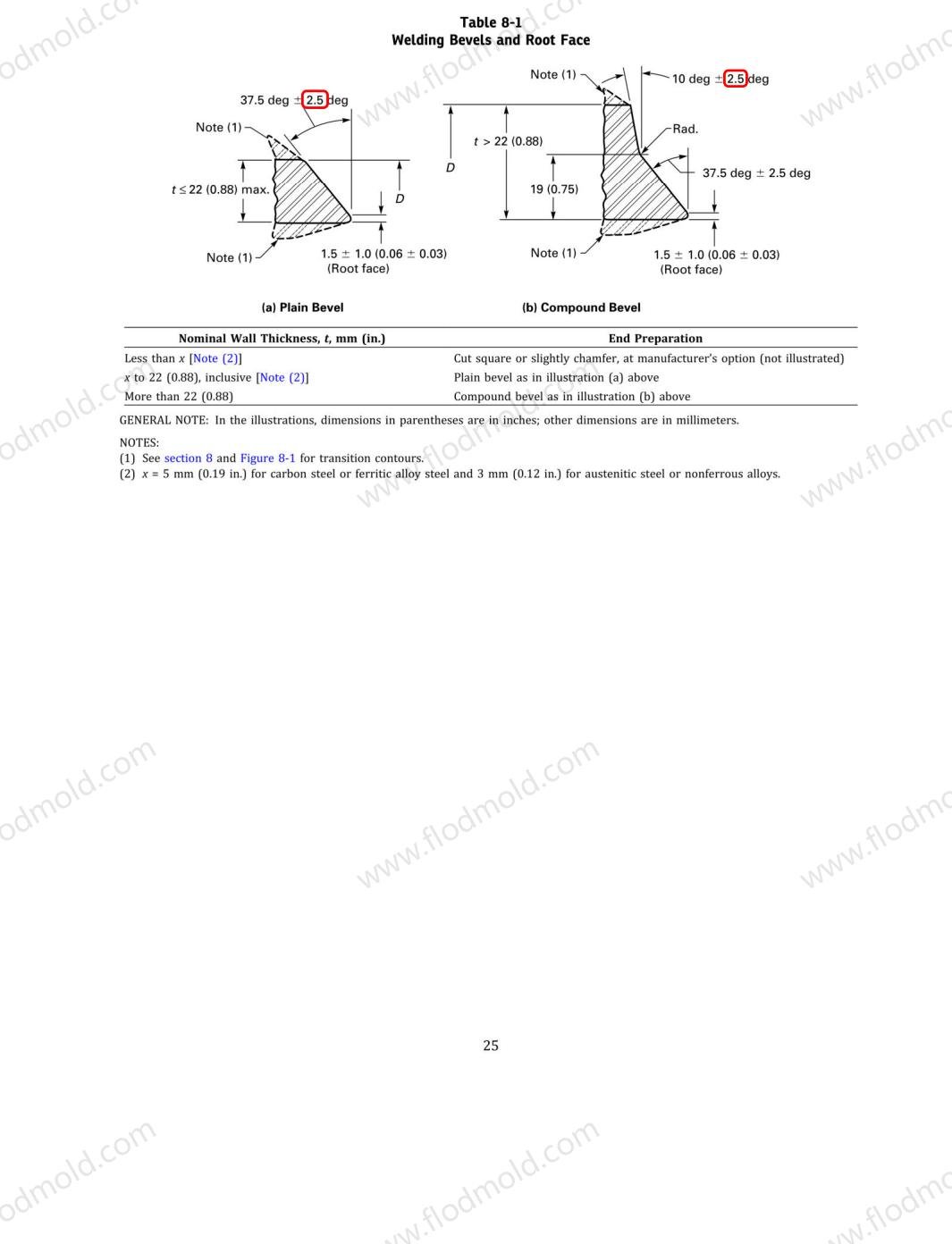
The ASME B16.9 standard specifies the dimensions, tolerances, testing, marking, and materials for factory-made wrought (seamless or welded) butt-weld fittings used in piping systems.
It covers common fittings such as elbows, tees, reducers, caps, and stub ends, typically manufactured from carbon steel, alloy steel, or stainless steel, designed for use with pipes conforming to ASME B36.10M or ASME B36.19M.
The standard defines:
Nominal pipe sizes (NPS ½ to 48)
Wall thicknesses (corresponding to schedules or specific design requirements)
Dimensional tolerances for center-to-end, outside diameter, and wall thickness
Marking and material requirements for traceability and pressure-temperature rating compliance
ASME B16.9 fittings are widely used in oil & gas, chemical, power, and water industries, ensuring consistent geometry and weldability in high-integrity piping systems.
Catalog
Have You Any Question?
What to do if Mixed Materials are found in the project?
When materials get mixed up, it’s like building a Lego set with wrong pieces eventually everything falls apart.
The only viable solution requires 100% PMI testing on every individual flange using calibrated XRF analyzers, eliminating material certification risks through a certified processes.
Every factory out there claims they check their flanges with those XRF guns Piece by Piece. In all of Tsingshan Group’s backyard, only 3 manufacturers actually full-test every piece. We’re one of them.
Why Small Foundries happen the mix-ups?
These monster forging machines won’t start unless you order over 15 tons , like buying 100 pens when you need 10 . Factories have to mash together different steel batches.
Keeping materials separate costs small foundries 28% extra, like trying to sort Legos with a toddler wrecking them daily.
6/10 suppliers can’t track materials properly, it’s shipping mystery boxes that’ll bite us when things go wrong.
What is the standard lead time for orders? How do you handle delays caused by emergencies (e.g., pandemics, logistics disruptions)?
The standard lead time is 1 week, adjusted based on product complexity and order volume.
For unexpected risks, we implement the following measures:
—-Maintain backup suppliers and diversified logistics channels.
—-Monitor supply chain status in real time and provide early warnings to customers.
—-Prioritize critical orders and offer expedited service options.
What specific quality control steps are implemented during production?
Three-tier QC system:
—-Incoming Quality Control (IQC): Verify raw material specifications and certifications.
—-In-Process Quality Control (IPQC): Sample-test key parameters at each production stage.
—-Outgoing Quality Control (OQC): 100% visual/functional inspection, packaging checks, and destructive testing on samples.
—-Use SPC (Statistical Process Control) and automated inspection tools to ensure consistency.
How do you continuously improve product quality and on-time delivery rates?
Data-driven approach: Monthly analysis of customer complaints, return rates, and delivery performance.
PDCA Cycle (Plan-Do-Check-Act): Implement process upgrades or supplier training based on findings.
Closed-loop feedback: Regularly survey customer satisfaction and integrate results into KPI evaluations.
Intended Use: Suitable for supplier manuals, contract annexes, official websites, or sales communication to enhance client trust and reduce collaboration friction.
Need a Help?
Choose your Stainless Steel Flange with best reputable.