
International Standards:
- ASME B16.9(U.S. Standard):Class 150, 300, 600, 900, 1500, 2500
- EN 10253-1/2(European Standard): PN6 to PN100.
- JIS B2311(Japanese Industrial Standard):5K to 40K
- GOST 17378-2001(Russian/CIS Standard): 0.1 MPa to 25 MPa
- SABS 1123(South African Standard): PN6 to PN25.
- DIN 2616 : PN6 to PN40.
- BS 1965(British Standard): PN6 to PN40.
Pros:
- Smooth Flow Transition: Symmetrical design reduces turbulence and pressure drop.
- Uniform Stress Distribution: Ideal for vertical pipelines with minimal risk of cavitation.
- Space Efficiency: Requires less space compared to eccentric reducers in vertical installations.
- Material Compatibility: Available in carbon steel, stainless steel, alloy, and plastic.
- Ease of Installation: Butt-weld ends ensure strong, leak-proof connections.
Cons:
- Sediment Accumulation: Not suitable for horizontal pipelines carrying solids; use eccentric reducers instead.
- Higher Cost: Seamless reducers (e.g., ASTM A234) are more expensive than welded versions.
- Limited Flexibility: Cannot compensate for misalignment between pipes.
- Pressure Limitations: Threaded reducers are restricted to low-pressure systems.
- Fabrication Complexity: Precision machining required for large diameter ratios.
Description
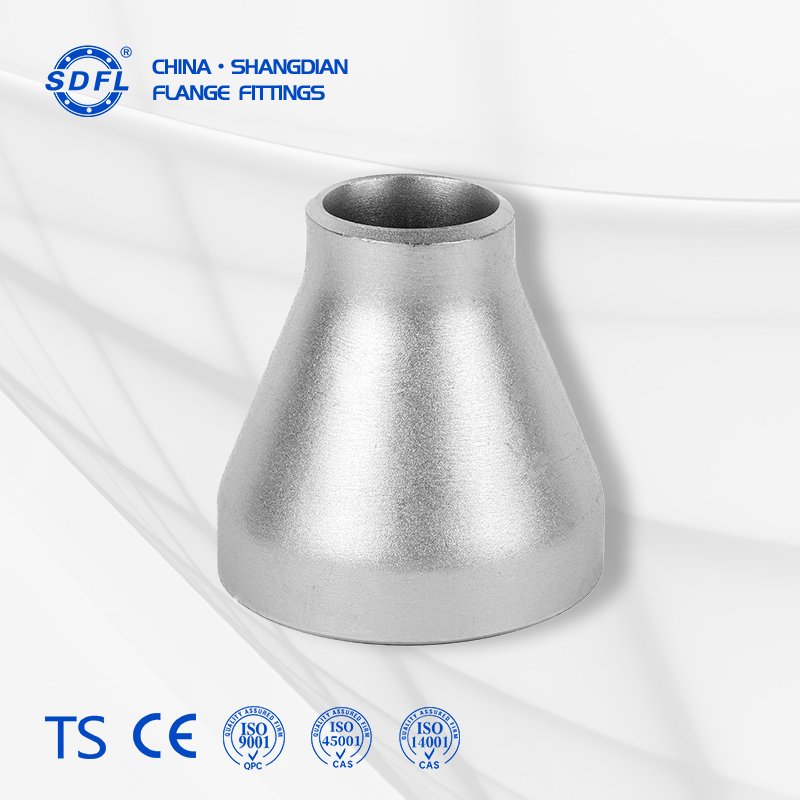
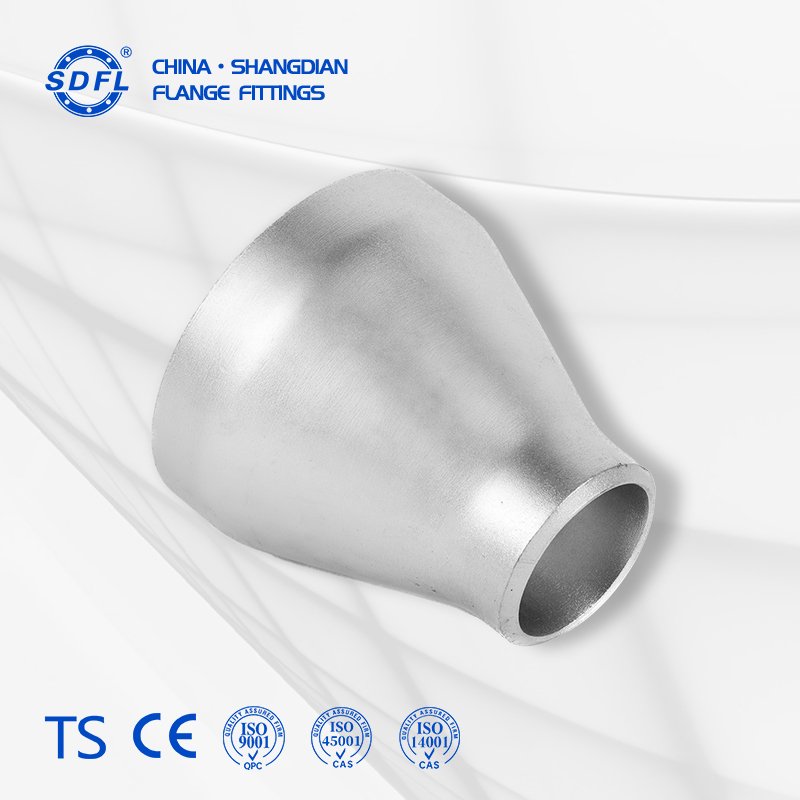
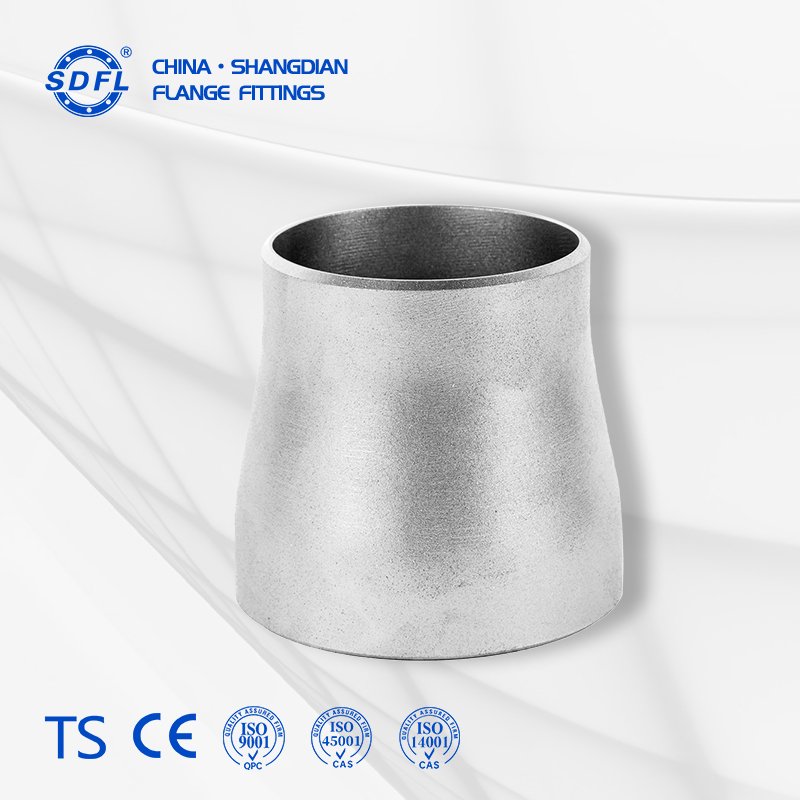
A Concentric Reducer is a pipe fitting used to connect two pipes of different diameters along the same centerline. It has a symmetrical conical shape, gradually reducing the pipe size while maintaining a uniform flow path. This design minimizes turbulence and is ideal for vertical pipelines or systems requiring smooth flow transition.